 Daniel Okoye
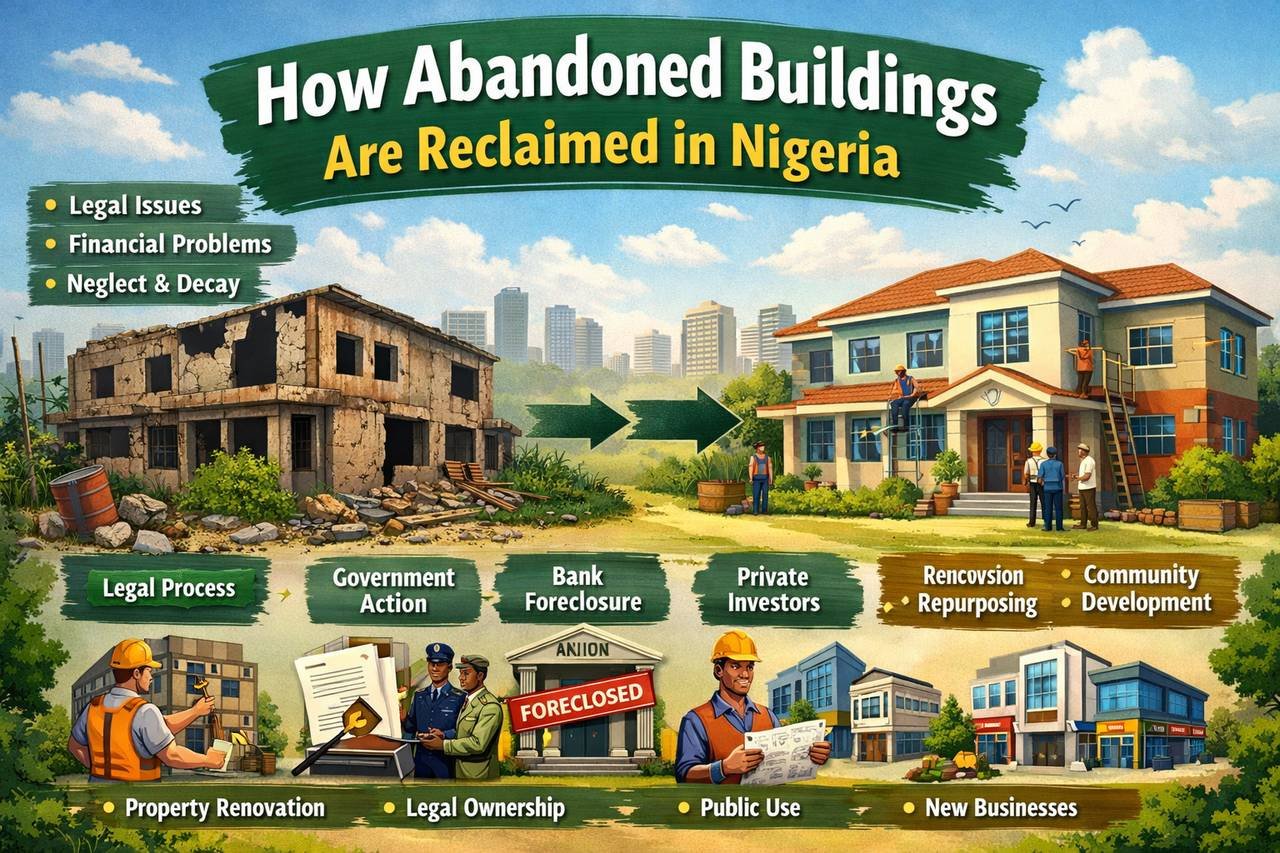
Abandoned buildings are a common sight in many Nigerian cities and towns. From unfinished residential houses to deserted commercial complexes and stalled government projects, these structures sometimes remain unused for years. However, abandoned buildings are not always left to decay permanently. In many cases, they are reclaimed, renovated, repurposed, or legally transferred to new owners.
Reclaiming abandoned buildings in Nigeria involves legal, financial, and administrative procedures. The process may be initiated by the original owner, government authorities, financial institutions, heirs, or private investors. Understanding how this works is important for property owners, investors, and communities.
What Is Considered an Abandoned Building?
An abandoned building is a property that has been left unoccupied, unused, or neglected for an extended period.
Common signs include:
-
Uncompleted construction for several years
-
Overgrown weeds and bushes
-
Broken windows or visible structural damage
-
No occupants or business activity
-
Lack of maintenance
-
No visible security
Abandoned buildings can become unsafe, attract criminal activity, and reduce surrounding property values.
Why Buildings Become Abandoned in Nigeria
There are several common reasons properties are abandoned in Nigeria.
Financial Difficulties
Many projects stop due to lack of funds. Rising building material costs, inflation, loan defaults, or business collapse can halt construction.
For example, a developer who begins a housing project during stable economic conditions may abandon it if material costs double or financing fails.
Death of the Owner
If a property owner dies without a will, family disputes may arise. Inheritance conflicts can delay development for years, especially when heirs cannot agree on ownership or usage.
Legal Disputes
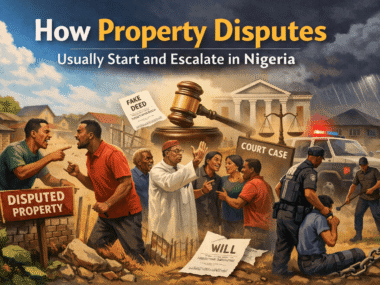
Land disputes are common in Nigeria. Court cases over ownership, boundaries, or multiple sales of the same land can take years to resolve. During this time, buildings on the land often remain unused.
Government Acquisition
Under the Land Use Act, state governments have authority over land administration. When land is acquired for public projects like roads or rail lines, buildings on the land may be left abandoned if the project is delayed or cancelled.
Migration or Relocation
Some owners relocate abroad or move to another city and leave properties unattended due to lack of supervision or interest.
How Original Owners Reclaim Abandoned Buildings
The simplest form of reclamation occurs when the original owner or their family returns to complete or renovate the property.
This typically involves:
-
Clearing overgrown vegetation
-
Repairing damaged structures
-
Completing unfinished construction
-
Securing the property
If ownership documents are intact, the process is usually straightforward.
Important documents may include:
-
Certificate of Occupancy (C of O)
-
Deed of Assignment
-
Survey Plan
-
Approved building plan
Once development resumes, the property is no longer considered abandoned.
Government Reclamation of Abandoned Buildings
Government authorities may reclaim abandoned buildings under certain conditions, especially when public safety or urban planning is involved.
Agencies such as the Lagos State Ministry of Physical Planning and Urban Development or similar state bodies monitor unsafe or abandoned structures.
Government reclamation may occur when:
-
The building poses safety risks
-
The owner cannot be traced
-
The property violates planning laws
-
The building belongs to the government but is unused
The process usually includes:
-
Identifying the abandoned property
-
Issuing public notice to the owner
-
Allowing time for response
-
Sealing or marking the building
-
Taking possession if no response is received
After reclamation, the government may renovate, demolish, lease, or allocate the property for public use.
Reclamation by Financial Institutions
Banks can reclaim properties when borrowers default on loans secured by real estate. This process is known as foreclosure.
The typical steps include:
-
Issuing a loan default notice
-
Allowing time for repayment
-
Taking legal possession
-
Selling the property to recover funds
Banks may dispose of such properties through auctions or private sales, allowing new buyers to legally acquire them.
Reclaiming Through Inheritance
When a property owner dies, family members can reclaim the property legally through inheritance procedures.
This usually involves:
-
Obtaining a death certificate
-
Applying for Letters of Administration
-
Identifying lawful beneficiaries
-
Transferring ownership formally
Without proper documentation, properties may remain abandoned for decades due to disputes or lack of legal clarity.
Reclamation by Private Investors
Private investors often purchase abandoned properties at reduced prices. This is common in cities like Lagos, Abuja, and Port Harcourt, where land value is high.
Investors typically:
-
Conduct land registry searches
-
Verify ownership documents
-
Check for disputes or encumbrances
-
Negotiate purchase
-
Execute a Deed of Assignment
-
Register the property
After acquisition, investors renovate or redevelop the property for residential or commercial use.
Government Revocation and Reallocation
Under the Land Use Act, the government has the authority to revoke land rights for public interest or failure to develop the land according to approved purpose.
Reasons for revocation may include:
-
Failure to develop land over a long period
-
Urban planning needs
-
Safety concerns
-
Public infrastructure projects
After revocation, the land may be reallocated to new developers. In some cases, compensation may be paid for improvements made on the property.
Conversion and Repurposing
Instead of demolition, abandoned buildings may be repurposed.
Examples include:
-
Converting residential buildings into offices
-
Turning old factories into shopping complexes
-
Transforming abandoned schools into apartments
-
Converting government structures into community facilities
Repurposing reduces waste and maximizes existing infrastructure.
Community and Local Authority Involvement
Communities often report abandoned buildings to local authorities due to safety concerns.
Local authorities may:
-
Investigate ownership
-
Issue notices
-
Secure unsafe structures
-
Recommend redevelopment
Community involvement helps prevent criminal activity and improves neighborhood safety.
Challenges in Reclaiming Abandoned Buildings
Reclaiming abandoned buildings in Nigeria can be complicated.
Common challenges include:
-
Missing or incomplete documents
-
Family disputes
-
Ongoing court cases
-
Fraudulent land claims
-
High renovation costs
-
Bureaucratic delays
These issues can slow the reclamation process significantly.
Benefits of Reclaiming Abandoned Buildings
Reclaiming abandoned buildings offers several advantages:
-
Improves neighborhood appearance
-
Increases surrounding property value
-
Reduces criminal activity
-
Provides housing or office space
-
Encourages economic development
-
Creates investment opportunities
Properly reclaimed properties contribute to urban growth and stability.
How to Safely Acquire an Abandoned Building
Anyone interested in acquiring such property should follow proper legal procedures.
Important steps include:
-
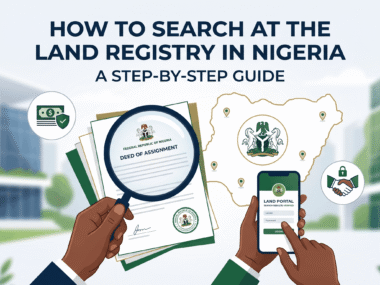
Conducting a land registry search
-
Verifying ownership documents
-
Checking for disputes or encumbrances
-
Consulting a property lawyer
-
Confirming survey details
-
Registering ownership after purchase
Taking possession without legal transfer can lead to serious legal consequences.
Conclusion
Abandoned buildings are common in Nigeria due to financial difficulties, inheritance disputes, legal battles, and government actions. However, they can be reclaimed through legal processes involving original owners, government agencies, banks, heirs, or private investors.
While reclamation may require patience and documentation, successful recovery benefits both individuals and communities. Understanding how abandoned buildings are reclaimed helps property owners protect their assets and enables investors to identify valuable opportunities within Nigeria’s real estate market.

Daniel Okoye
Daniel Okoye is a writer and researcher at ProcesslyHub. I focus on explaining Nigerian systems, housing processes, and everyday business workflows in simple and practical terms. My goal is to help readers understand how real-world processes work so they can make informed decisions and avoid costly mistakes.
 Daniel Okoye