 Daniel Okoye
Commission-based jobs are roles where a person earns income primarily by completing tasks or achieving results, rather than receiving a fixed monthly salary. In Nigeria, this type of work is common across sales, real estate, marketing, insurance, logistics, recruitment, and many informal businesses. Understanding how commission-based jobs are structured helps workers avoid confusion, disputes, and unrealistic expectations.
This article explains how commission-based jobs typically work, how payments are calculated, and what to watch out for before accepting such roles.
What a Commission-Based Job Means
A commission-based job is structured around performance. Instead of being paid for time spent at work, payment is tied to outcomes such as sales closed, clients referred, or deals completed. The more results you produce, the more you earn.
In many cases, commission-based roles offer flexibility but also carry income uncertainty. Some jobs are purely commission-based, while others combine commission with a small base salary or allowance.
Common Types of Commission Structures
Commission-based jobs are not all the same. Employers structure commissions in different ways depending on the nature of the business.
A straight commission structure means the worker earns only commission. There is no fixed salary. This is common in real estate brokerage, independent sales agents, and referral-based marketing roles. If no sale is made, no income is earned.
A base salary plus commission structure provides a small fixed income alongside commission earnings. This is common in sales roles within companies where employees are expected to meet targets but still need income stability.
Tiered commission structures reward higher performance with higher commission rates. For example, a worker may earn 5% commission for the first level of sales and 10% once a higher target is reached.
Team-based commission structures involve sharing commissions among a group. This is common where multiple people contribute to closing a deal, such as in corporate sales or real estate firms.
How Commission Percentages Are Determined
Commission percentages are influenced by several factors. One key factor is profit margin. Businesses with high profit margins can afford higher commissions, while low-margin businesses usually offer lower percentages.
Another factor is the level of effort involved. Jobs that require long-term follow-up, negotiation, and personal involvement often pay higher commissions than simple referral roles.
Risk is also considered. If a worker bears marketing costs, transportation, or client acquisition risks, commissions are usually higher to compensate for these expenses.
Experience level can also affect commission rates. New agents may start with lower percentages and earn higher rates as they gain trust and experience.
When and How Commissions Are Paid
Commission payment timing varies widely. Some businesses pay commissions immediately after payment is received from a client. Others wait until a transaction is fully completed or documented.
In Nigeria, many commission-based jobs pay commissions weekly, monthly, or after project completion. Delays often occur when payment terms are not clearly defined at the start.
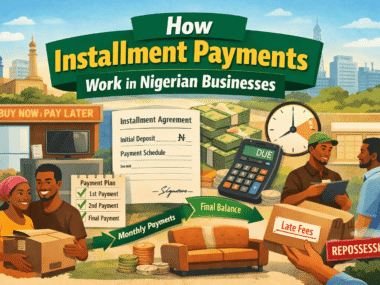
Some employers pay commissions in stages. For example, part of the commission may be paid when a deposit is made, and the balance paid after full payment or service delivery.
Clear written agreements help prevent disputes about when commissions are due.
Roles Commonly Structured Around Commission
Commission-based structures are common in sales and marketing roles, where income is tied to revenue generation. Real estate agents often earn commissions based on land or property sales.
Insurance agents earn commissions for policies sold and renewed. Recruiters earn commissions when candidates are successfully hired and retained.
Freelance marketers, affiliate marketers, and brand promoters also operate on commission structures, earning a percentage of sales or leads generated.
Even informal roles such as product distributors, field marketers, and referral agents often work on commission without formal contracts.
Advantages of Commission-Based Jobs
Commission-based jobs offer income potential without fixed limits. High performers can earn significantly more than salaried workers.
They also provide flexibility, as many roles allow workers to manage their own schedules and strategies.
For businesses, commission structures reduce fixed payroll costs and motivate performance-driven behavior.
Challenges and Risks to Consider
The biggest risk in commission-based jobs is income uncertainty. Earnings can fluctuate due to market conditions, seasonality, or company policies.
Another common issue is unclear agreements. Verbal commission promises often lead to disputes when payments are delayed or reduced.
Some roles shift business risks entirely to workers, requiring them to cover expenses without guaranteed returns.
Lack of documentation, unclear targets, and changing commission rules are also frequent problems.
What to Clarify Before Accepting a Commission Job
Before accepting a commission-based role, it is important to understand the commission percentage, payment timeline, and conditions for earning commissions.
Clarify whether commissions are paid on deposits or full payments, and whether refunds affect commissions already paid.
Ask about expenses, support provided, and whether commissions are written into an agreement or contract.
Understanding these details upfront helps protect your time, effort, and income.
Final Thoughts
Commission-based jobs are a major part of how work is structured in Nigeria. When properly designed, they reward effort, skill, and results. When poorly structured, they can lead to frustration and unpaid labor.
Understanding how commission-based jobs are structured allows workers to make informed decisions and helps businesses build fair, sustainable systems that motivate performance.

 Daniel Okoye