 Daniel Okoye
Transport fares in Nigeria often feel unpredictable. A trip that cost one amount yesterday may cost more today, even on the same route. To many commuters, this looks like pure exploitation, but in reality, transport fares are calculated through a mix of cost factors, market forces, and informal agreements. Understanding how these fares are set helps passengers negotiate better and helps drivers explain their charges more clearly.
The Role of Fuel Cost
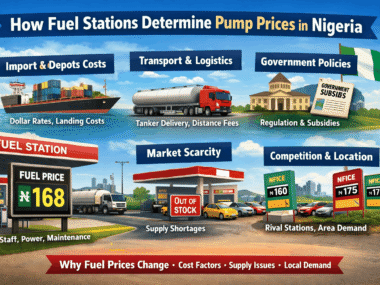
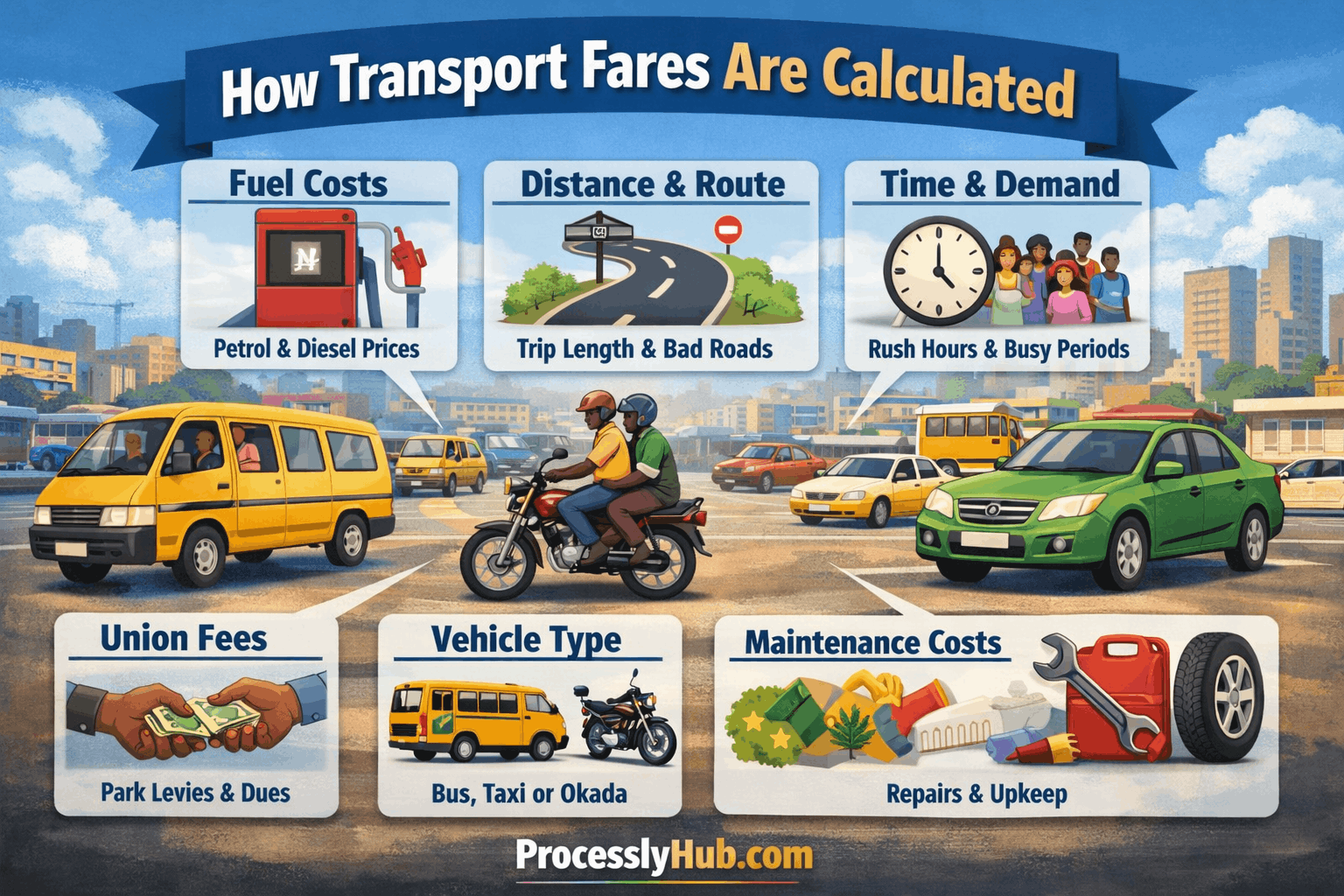
Fuel price is the single biggest factor in transport fare calculation in Nigeria. Most commercial vehicles depend on petrol or diesel, and whenever fuel prices rise, fares usually follow.
Drivers calculate fares by estimating how much fuel is needed to complete a trip and how many trips they must make daily to break even. If fuel prices increase suddenly, drivers adjust fares immediately to avoid losses. Even when fuel prices drop, fares may not reduce instantly because drivers often try to recover previous losses or prepare for future increases.
Distance and Route Length
Transport fares are heavily influenced by distance. Longer routes naturally attract higher fares, but it is not just about kilometers.
Some routes are short but expensive because of:
-
Bad roads that slow down movement
-
Traffic congestion that increases fuel consumption
-
Frequent stops that waste time and fuel
For example, a short urban route with heavy traffic may cost more than a longer express route with free-flowing traffic. Drivers factor in how stressful and time-consuming a route is, not just how far it goes.
Road Condition and Vehicle Wear
Bad roads increase vehicle maintenance costs. Potholes, flooded roads, and rough terrain cause faster wear on tires, suspension, and engine components.
Drivers and transport unions consider:
-
Frequency of breakdowns
-
Cost of spare parts
-
Cost of routine maintenance
Routes with poor road conditions often attract higher fares because drivers need to cover repair costs. This is why rural or semi-urban routes are usually more expensive per distance than well-maintained city roads.
Transport Unions and Route Agreements
In many parts of Nigeria, transport fares are influenced by transport unions. These unions often set unofficial fare ranges for specific routes, especially in motor parks.
Union factors include:
-
Daily ticket fees paid by drivers
-
Levies collected at parks
-
Route access permissions
Drivers add these costs to their fare calculations. If union levies increase, fares often rise to compensate. While unions sometimes announce fare adjustments publicly, many changes happen informally, leading to inconsistencies.
Demand and Time of Day
Transport fares are not static; they change based on demand. During peak hours such as early mornings and evenings, fares are higher because:
-
More people are commuting to work or returning home
-
Traffic delays reduce the number of trips a driver can make
Late-night or emergency travel also attracts higher fares due to increased risk and fewer passengers. On the other hand, fares may be lower during off-peak hours when drivers are eager to fill their vehicles.
Vehicle Type and Capacity
The type of vehicle used affects fare calculation. Smaller vehicles such as tricycles and motorcycles charge differently from buses or minibuses.
Factors considered include:
-
Fuel consumption rate
-
Passenger capacity
-
Maintenance cost
For example, a bus spreads fuel and maintenance costs across many passengers, making individual fares cheaper. Motorcycles and tricycles carry fewer passengers, so the cost per passenger is higher.
Competition and Market Forces
In areas with many transport options, competition helps regulate fares. Drivers are less likely to overcharge when passengers can easily choose another vehicle.
In contrast, fares are usually higher in areas with:
-
Limited transport availability
-
Poor road access
-
Security concerns
When competition is low, drivers have more control over pricing, and passengers have fewer alternatives.
Government Policies and Enforcement
Government intervention sometimes influences transport fares through:
-
Fuel subsidy policies
-
Road tolls
-
Traffic regulations
However, enforcement of official fare limits is often weak. This allows informal pricing systems to dominate. In rare cases where authorities enforce fare controls, prices may stabilize temporarily but often return to market-driven levels once enforcement weakens.
Seasonal and Economic Factors
Transport fares also change with seasons and economic conditions. During festive periods, fares increase due to high demand and longer travel times. During fuel scarcity or economic instability, fares rise sharply as drivers struggle to manage unpredictable costs.
Inflation also plays a role. As the cost of living increases, drivers adjust fares to maintain income levels.
How Drivers Calculate a “Fair” Fare
Most drivers mentally calculate fares using a simple formula:
-
Cost of fuel for the trip
-
Expected number of trips per day
-
Vehicle maintenance and levies
-
Desired daily income
If a driver cannot meet their daily target income at a certain fare, they increase the price. This informal calculation explains why fares vary widely even on the same route.
Common Misunderstandings About Transport Fares
Many passengers believe drivers set fares randomly or out of greed. While exploitation does happen, most fare increases are tied to real costs. Another misunderstanding is expecting fares to drop immediately when fuel prices reduce. Drivers often wait to confirm stability before adjusting prices.
What Passengers Should Know
Passengers can protect themselves by:
-
Understanding peak and off-peak pricing
-
Asking about fare changes before boarding
-
Comparing prices across different transport options
Knowledge reduces frustration and improves negotiation.
Conclusion
Transport fares in Nigeria are shaped by fuel costs, distance, road conditions, unions, demand, and broader economic factors. While the system is informal and sometimes inconsistent, it follows a logic driven by survival and cost recovery. Understanding how fares are calculated helps both drivers and passengers navigate Nigeria’s transport system with fewer conflicts and better expectations.

Daniel Okoye
Daniel Okoye is a writer and researcher at ProcesslyHub. I focus on explaining Nigerian systems, housing processes, and everyday business workflows in simple and practical terms. My goal is to help readers understand how real-world processes work so they can make informed decisions and avoid costly mistakes.

 Daniel Okoye