 Daniel Okoye
Across Nigeria, markets are the heartbeat of daily commerce. From roadside kiosks to large trading hubs, millions of traders depend on these spaces for survival. To maintain order, cleanliness, and infrastructure, local authorities impose small payments known as market levies. These levies fund sanitation, security, waste disposal, and other public services. However, the way these charges are enforced often differs from one state or market to another, sometimes creating friction between traders and revenue collectors.
Understanding how local levies work helps traders avoid conflict and also helps citizens know their rights and responsibilities.
What Are Local Market Levies?
Local levies are small fees charged to traders, shop owners, and stall operators within a market. They may be collected daily, weekly, or monthly. These fees are usually authorized by local governments and are meant to support market management.
Common types include
- Daily ticket fees for using space
- Shop or stall rent
- Sanitation or waste disposal fees
- Security levies
- Loading and offloading fees
- Union or association dues
In theory, these charges contribute to better market facilities such as cleaner environments, repaired roofs, drainage systems, and organized security.
Authorities Responsible for Collection
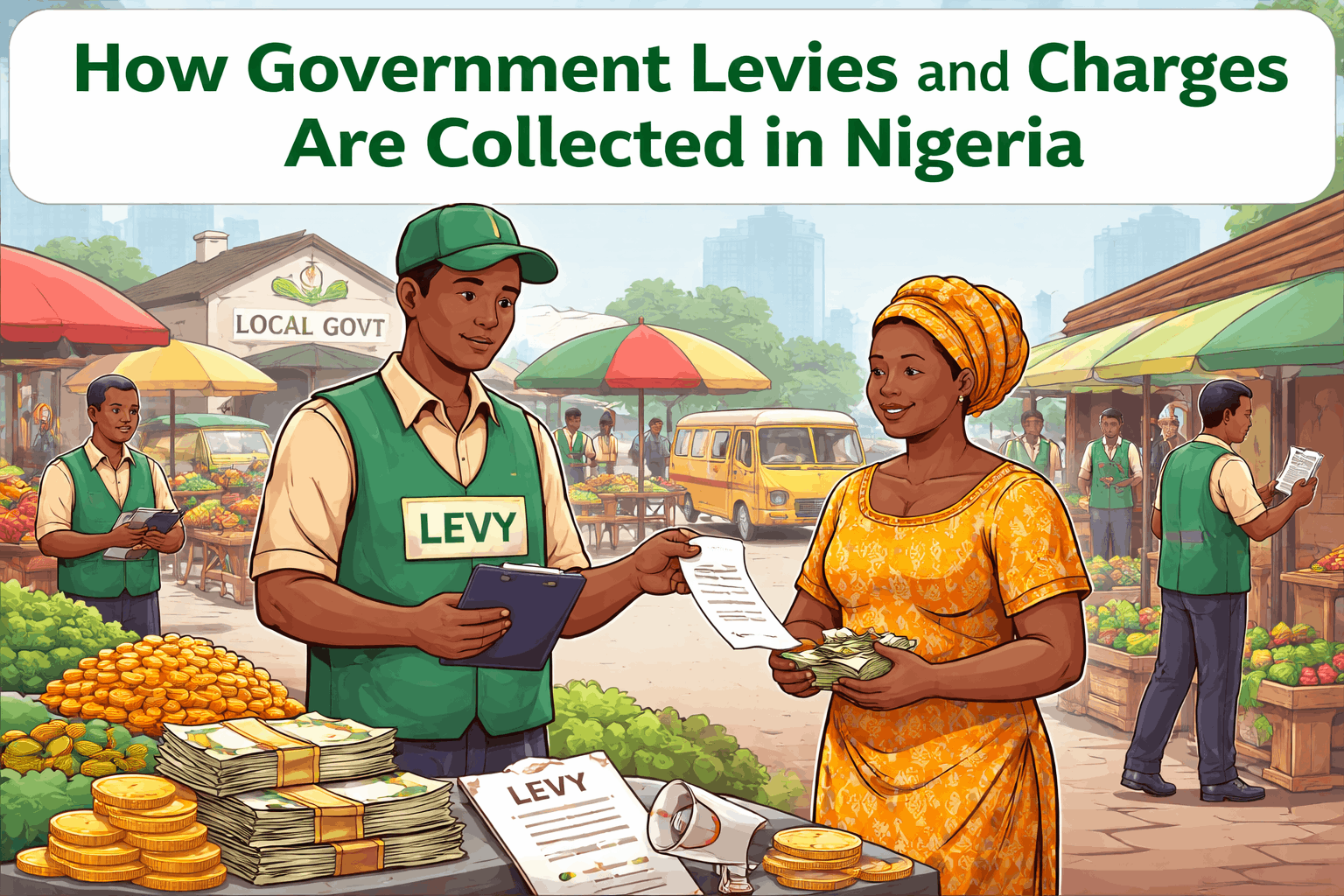
In most cases, levy enforcement falls under local government councils. For example, in cities like Lagos, local government revenue officers or market task forces handle daily collections. In other states, market boards or revenue consultants are contracted to collect fees on behalf of the government.
There are usually three key players
- Local government revenue officers
- Market management committees
- Trader unions or associations
These bodies often work together. The government authorizes the levy, the market leaders communicate it to traders, and collectors move around issuing tickets or receipts.
How Levies Are Enforced Daily
Ticket-Based Collection
This is the most common system. Early each morning, revenue collectors move through the market issuing printed tickets. Traders pay cash and receive a small paper ticket as proof of payment. This ticket may be checked later by supervisors.
Failure to show a ticket can result in penalties such as
- Extra charges
- Temporary confiscation of goods
- Closure of the stall for the day
Shop or Stall Rent Enforcement
Permanent shop owners usually pay weekly or monthly rent. Enforcement is stricter. If payment is delayed, the shop may be locked or sealed by authorities until the balance is cleared.
Task Force Monitoring
Some markets use enforcement teams or task forces. These groups patrol the area to ensure traders comply. They check tickets, collect overdue payments, and prevent unauthorised selling spaces.
Collaboration with Market Leaders
Market leaders play an important role. They know every trader personally and help identify defaulters. Because of this, peer pressure often encourages compliance more than force.
Role of Trader Associations
Many markets in Nigeria operate like small communities. Trade unions or associations collect dues alongside government levies. These funds may be used for welfare support, dispute resolution, or emergencies.
Associations sometimes help enforce levies by
- Sharing payment information
- Reporting defaulters
- Encouraging group payments
- Negotiating rates with government officials
This system reduces conflict because traders are more likely to cooperate with their own leaders.
Challenges in Levy Enforcement
Multiple Taxation
One of the biggest complaints is paying different groups for similar services. Traders may pay the government, unions, sanitation agents, and even informal collectors. This creates confusion and frustration.
Harassment and Intimidation
In some markets, enforcement becomes aggressive. Goods may be seized, or traders chased for small debts. This damages trust between authorities and traders.
Lack of Transparency
Traders often question where the money goes. When markets remain dirty or poorly maintained, they feel that levies are wasted or mismanaged.
Informal Collections
Sometimes unauthorized individuals pose as collectors. Without proper identification or receipts, traders risk paying illegal charges.
Legal Framework
Local governments are legally empowered under Nigerian law to collect rates and levies. However, collections must follow approved schedules and provide receipts. Traders have the right to demand proof of authority and proper documentation.
If harassment occurs, traders can report to
- The local government secretariat
- Market leaders
- Trader unions
- Law enforcement agencies
Knowing these rights helps protect small business owners.
Modern Improvements and Reforms
Some states are adopting digital methods to reduce abuse. These include
- Electronic tickets
- Bank transfers instead of cash
- Official ID cards for collectors
- Centralized payment points
Digital systems increase accountability and reduce illegal collections. They also make it easier for traders to track what they have paid.
Tips for Traders
To avoid problems with levy enforcement, traders should
- Always collect a receipt or ticket
- Confirm official rates with market leaders
- Avoid paying unknown individuals
- Pay early to prevent penalties
- Join a recognised trader association
Simple precautions can save money and prevent unnecessary stress.
Conclusion
Local levies are an essential part of how Nigerian markets function. When properly enforced, they fund cleanliness, security, and order. But when poorly managed, they create tension and hardship for small traders.
The key lies in transparency, fair enforcement, and mutual respect between authorities and market participants. With better systems and digital tracking, market levies can truly serve their purpose supporting business growth rather than hindering it.

Daniel Okoye
Daniel Okoye is a writer and researcher at ProcesslyHub. I focus on explaining Nigerian systems, housing processes, and everyday business workflows in simple and practical terms. My goal is to help readers understand how real-world processes work so they can make informed decisions and avoid costly mistakes.
 Daniel Okoye