 Daniel Okoye
In Nigeria, the term “land” is synonymous with wealth, but it is also a sector fraught with legal landmines. A qualified property lawyer is not just a luxury; they are the primary insurance policy for your investment. Whether you are an individual buying a single plot or a corporate entity like Eight Minds Investment Limited managing a resort project, professional legal oversight is mandatory.
What Makes a Property Lawyer “Qualified”?
In the Nigerian legal landscape, “Property Lawyer” is a specialization within the broader legal profession. To be qualified to handle your transactions in 2026 and beyond, a lawyer must meet several stringent criteria:
-
Legal Education & Call to Bar: They must have completed a Bachelor of Laws (LLB) and graduated from the Nigerian Law School (BL), followed by a formal call to the Nigerian Bar.
-
Annual Practicing License: As of March 31, 2026, a lawyer must have paid their Annual Practicing Fee and met the Mandatory Continuing Professional Development (MCPD) credits required by the Nigerian Bar Association (NBA).
-
Specialization: While any lawyer can technically draft a deed, a qualified property lawyer possesses deep expertise in the Land Use Act of 1978, the Administration of Estates Law, and state-specific regulations like the Lagos State Land Registration Law.
Core Roles and Responsibilities
A property lawyer acts as your detective, negotiator, and documenter. Their role is broken down into three critical phases:
Phase A: Pre-Contract Due Diligence
This is where the most value is added. The lawyer investigates the “root of title” to ensure the seller actually has the legal right to sell.
-
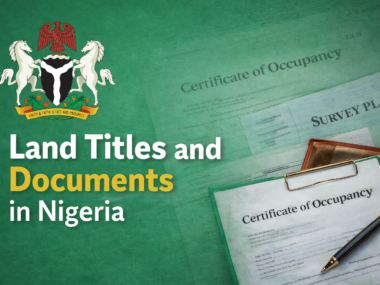
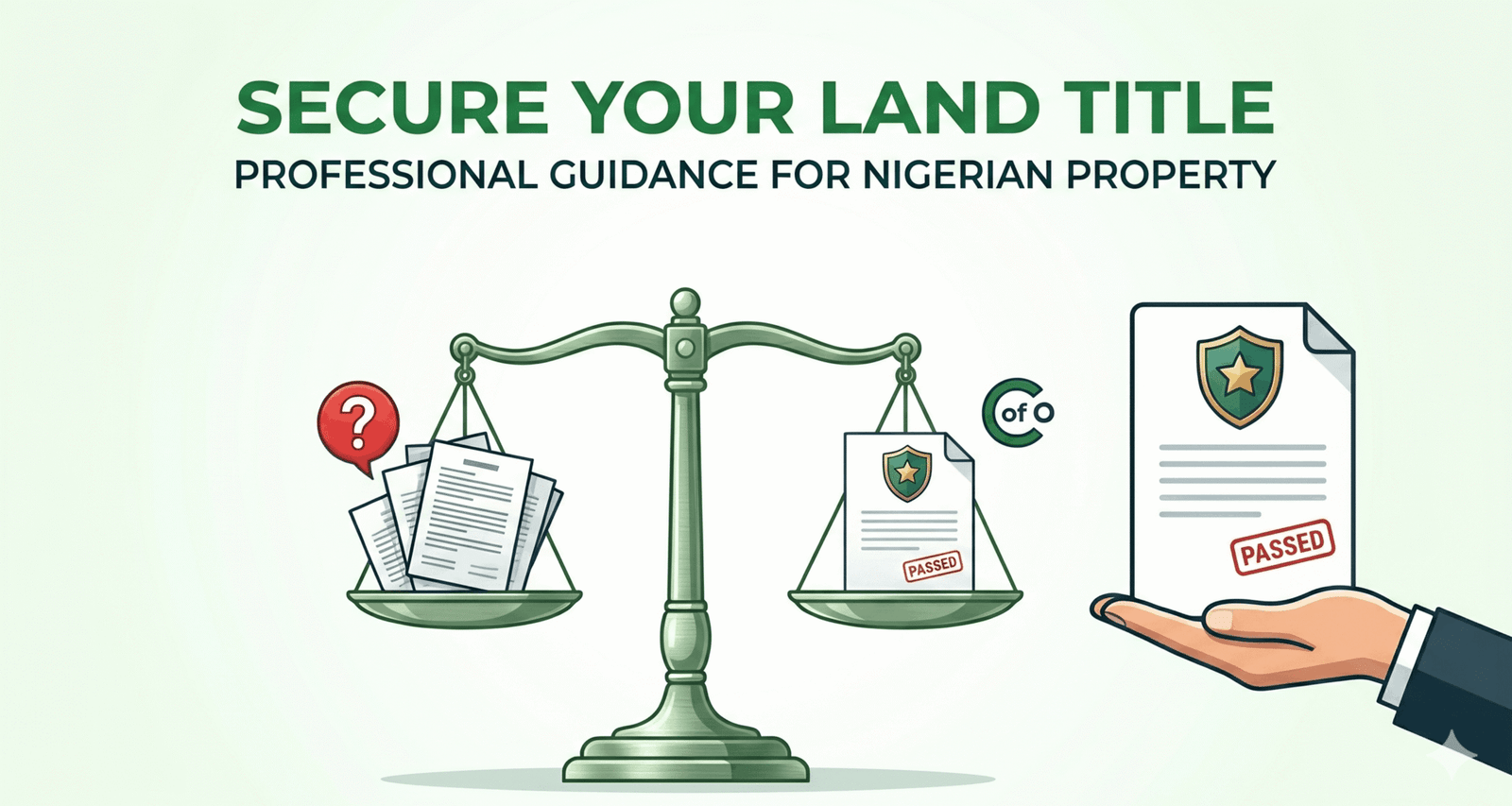
Title Verification: Confirming documents like the Certificate of Occupancy (C of O) or Governor’s Consent at the Land Registry.
-
Court Registry Search: Checking if the property is the subject of a pending lawsuit or a “lis pendens.”
-
Probate Search: If the land is being sold by a family, the lawyer verifies that “Letters of Administration” or a “Probate Grant” exist to authorize the sale.
Phase B: Documentation and Drafting
A “handshake deal” has no standing in Nigerian land law. Your lawyer must draft or review:
-
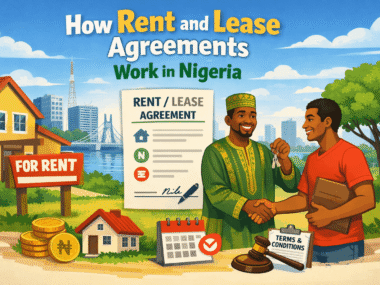
Contract of Sale: The preliminary agreement setting the terms.
-
Deed of Assignment: The main document that transfers the unexpired term of the lease from the seller to you.
-
Power of Attorney: If the seller is represented by someone else.
Phase C: Perfection of Title
After payment, your ownership is technically incomplete until it is “perfected.” Your lawyer handles:
-
Obtaining Governor’s Consent: Crucial for the legal transfer of interest.
-
Stamping: Paying the required stamp duties to the Federal or State Inland Revenue Service.
-
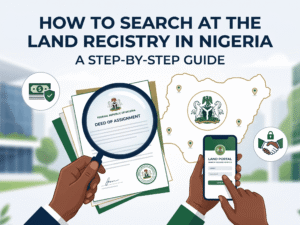
Registration: Formally recording the new ownership at the Land Registry.
Why You Must Not Skip Legal Counsel
The Nigerian real estate market is plagued by “Omo Onile” (land grabbers) and fraudulent speculators. A qualified lawyer protects you from:
-
Buying Government Committed Land: Some sellers offer land that the government has already earmarked for public infrastructure (e.g., a coastal road or power station). A lawyer discovers this through “charting” at the Surveyor General’s office.
-
Family Disputes: Many properties are sold by one family member without the consent of the “Head of Family” or principal members. Such sales are voidable in court.
-
Double Sales: A lawyer ensures the property hasn’t been sold to three other people before you.
Professional Fees (Scale of Charges)
In Nigeria, legal fees for property transactions are governed by the Legal Practitioners Remuneration (for Business, Legal, and Consultative Matters) Order.
While many clients negotiate, the standard fee for property transactions traditionally scales based on the value of the property. For a high-value agricultural or real estate project, expect a professional fee that reflects the complexity of the due diligence involved.
Choosing the Right Lawyer
When selecting a professional, look for:
-
Local Knowledge: A lawyer familiar with the specific registry (e.g., Alausa in Lagos or AGIS in Abuja) will navigate the bureaucracy faster.
-
Reputation: Verify their standing with the local NBA branch.
-
Transparency: A good lawyer will provide a written Search Report detailing all findings, rather than just giving a verbal “everything is fine.”
Final Thought
Whether you are securing a commercial cleaning headquarters or an agricultural investment like a cocoa farm, your lawyer’s signature on a search report is the only thing that stands between your capital and a total loss. In the world of Nigerian real estate, “Caveat Emptor” (Buyer Beware) is the golden rule, and your lawyer is your primary defense.


 Daniel Okoye